Field notes: the compartment that looked ready for ten years before it finally was
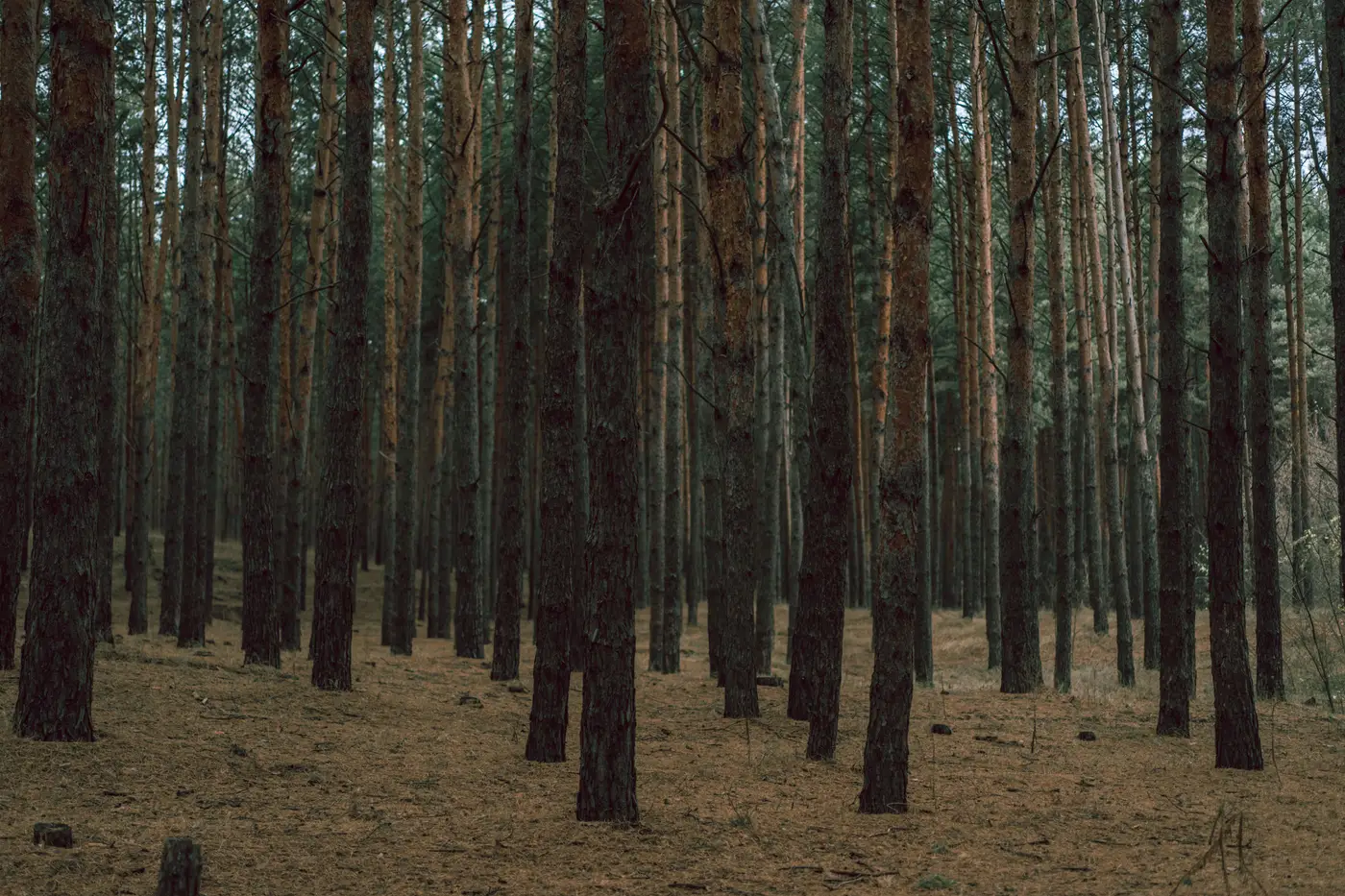
Every plantation manager has one. A compartment you've driven past on the way to somewhere else for a decade, and every single year you've said, half to yourself, half to whoever's riding shotgun, "that block's ready." The canopy's closed tight. The lower branches have gone to stubs. You can't see daylight between the rows anymore, and the understory's thinned itself out from shade alone. By every visual cue you picked up in your first few years on the job, it's screaming for a thinning crew.
Still, it gets passed over every year. One year the rotation plan says it isn't due yet. Another year the crew's already committed to three other compartments that look more obviously behind. Once or twice someone pulled the stocking count from the last inventory and decided it could wait another season. Ten years is a long stretch to carry a nagging feeling about a stand you pass on a Tuesday.
This is the one I keep coming back to, because it says something true about how uneven growth gets inside what we're happy to call an "even-aged" stand. Two compartments planted the same spring, same provenance, same site prep, can diverge hard by year fifteen. One hits its growth inflection early and settles into a plateau. The other sits below the curve for years, then puts on a run of current annual increment that catches up to, and sometimes overtakes, its sibling block. Crown closure tells you almost nothing about which one you're looking at. A suppressed stand can close canopy early just from stems packed tight, then sit there barely gaining volume for years while individual trees fight each other for the same light instead of putting wood on.
That's the trap with reading a block from the cab of a ute. Crown closure measures how hard trees are competing for light at that moment. It says nothing about where the stand sits on its own growth curve, only how crowded it looks right now. A compartment can look mature and still be climbing hard on the curve, in which case thinning it leaves volume on the table that another two or three seasons would have banked. Or it can look exactly the same, visually, and be flattening out instead, in which case every season you leave it is a season of merchantable volume sitting there, not compounding.
The compartment I'm thinking of turned out to be the first kind. It wasn't ready for most of that decade, not really. It just looked ready the way a stand with slow early establishment and dense stocking looks ready: tight canopy, thick litter layer, straight boles with almost no taper. The growth was still coming. When it finally tipped into the stretch where current annual increment drops below mean annual increment and the thinning math actually works, it went from "due any year now" to "overdue" inside about two growing seasons, a narrower window than ten years of guessing would have you believe.
A growth trajectory tracked year over year against a compartment's own curve, rather than judged against how a neighboring block looks from the road, is what closes that gap faster. That's what Plantation Monitor tracks: an annual index per stand plotted against its own trajectory, so a compartment that's been flattering you with good crown closure for years shows up as still climbing, and a rough-looking block shows up as past the point where thinning finally pays. It comes as a per-stand map layer and a CSV export, built from annual satellite passes, with nobody sent out to walk a transect and guess at crown class by eye.
If you've got a compartment like that sitting on your own rotation plan, it's worth finding out where it sits before you guess again.