Blog
 Field notes: the compartment that thinned itself before the crew ever got there
A late thinning window, a wind event, and a compartment that answered the rotation question on its own. Notes on windthrow self-thinning and what it costs you.
 Normal yield tables vs. measured growth curves: what's the difference
A yield table predicts what a typical stand should be doing at a given age. A measured growth curve tracks what your stand is actually doing.
 Pulpwood thinning vs sawlog thinning: how the schedule call changes
Pulpwood and sawlog rotations hit the same growth curve at different trigger points. Here's how the thinning schedule call changes by product grade.
 What is a merchantability call, and how does it differ from a thinning prescription?
A merchantability call and a thinning prescription get used interchangeably on the ground. They're not the same decision, and mixing them up costs volume.
- Field notes: the compartment that looked ready for ten years before it finally was
A field notes piece on the stand that looked thinning-ready for a decade, and what crown closure tells you about a compartment's growth.
- Racking vs line thinning: which first-thin method fits your stand
Racking or line thinning for the first entry into a conifer stand? How stocking, slope, and stem quality decide the extraction pattern.
 How to assess windthrow risk before a first thinning
A field guide to checking wind firmness and edge exposure in an even-aged stand before you schedule the first thin.
- What is basal area, and why it drives your thinning call
A plain explanation of basal area per hectare, how stocking guides use it, and why it's the number that tells you a stand is ready to thin.
- Field notes: the compartment that outgrew its own schedule
A compartment planted on a wet flat hit thinning condition three years ahead of the rotation plan. Here's what that says about fixed-age schedules.
- What is site index, and why it sets a stand's growth trajectory
Site index sets the height-age curve a stand should follow, and that curve drives thinning timing and rotation age for every compartment.
- First thinning vs second thinning: what changes in the scheduling call
How the thinning decision shifts between first and second entries, and what to track so neither call runs late.
- Crown differentiation vs crown closure: why it tells you when to thin
What crown differentiation means, how it differs from crown closure, and why it's the signal that a stand is ready for its first thin.
- Even-aged vs. uneven-aged stands in satellite imagery: what to look for
How to read canopy texture, color uniformity, and shadow pattern in satellite passes to separate even-aged plantation blocks from uneven-aged stands.
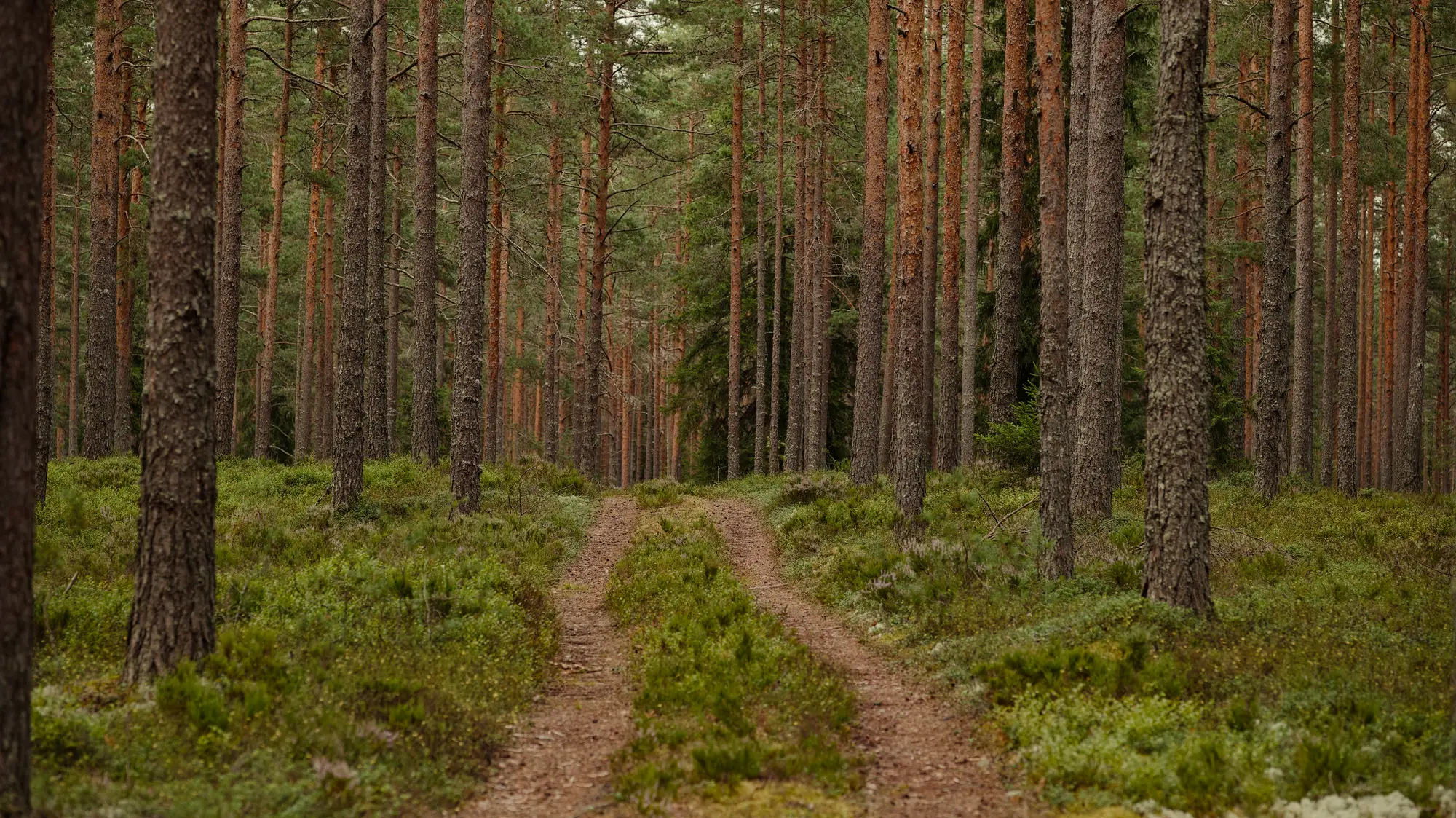 What is yield class in forestry, and why does it set your rotation length?
A plain explainer on yield class, how it's calculated for conifers, and why it drives thinning and clearfell timing more than calendar age does.
- How to balance age class distribution across a plantation estate
A practical look at diagnosing and correcting age class imbalance across an even-aged plantation estate, and why it keeps recurring.
- MAI vs CAI: picking the right rotation age
How mean annual increment and current annual increment set biological rotation age, and why economic rotation age usually falls earlier.
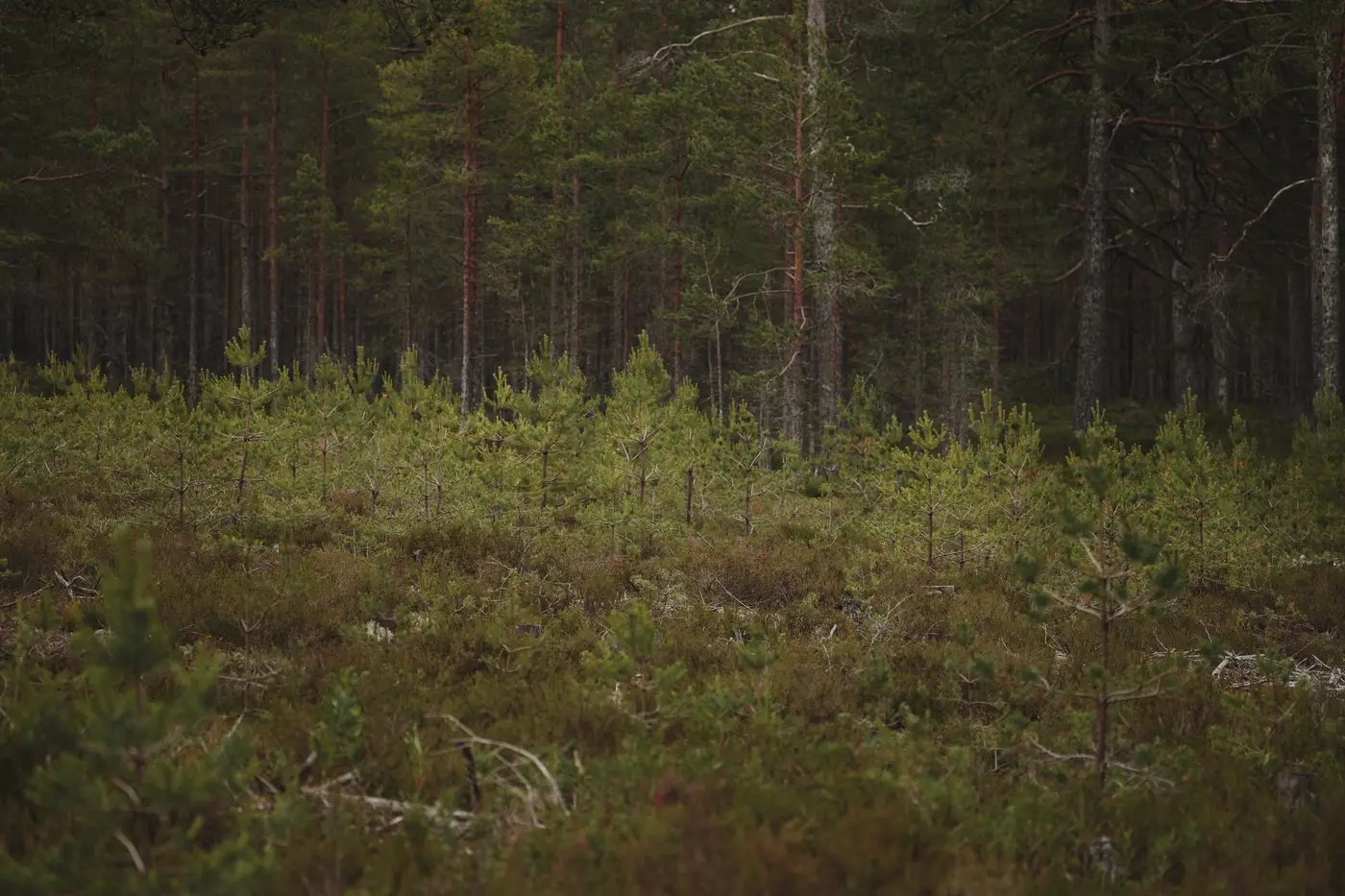 Pre-commercial thinning vs commercial thinning: what's the difference
How pre-commercial and commercial thinning differ, when each happens in a rotation, and what to track before the first commercial thin pays.
- What is stand density index, and when does it trigger a thinning?
What stand density index measures, how relative density zones work, and the SDImax threshold that signals a stand is ready to thin.