Field notes: the compartment that thinned itself before the crew ever got there
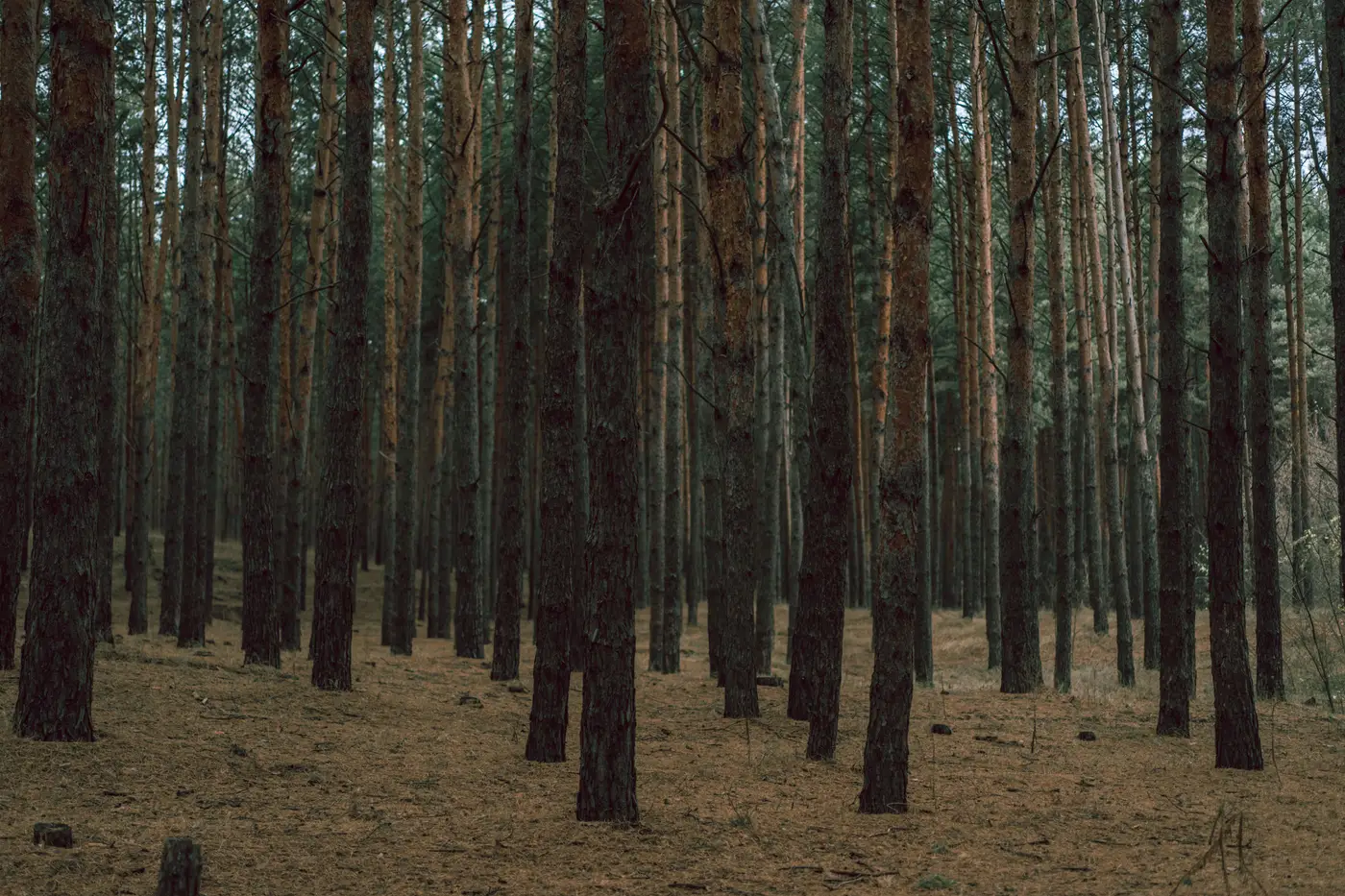
There's a particular kind of silence that happens when you walk into a stand you'd flagged for next season's thinning and find half of it already down. Not harvested down. Wind down. Stems snapped at mid-bole or tipped root-plate-and-all, lying in the understory like the forest made a decision without consulting the plan.
I've seen this a handful of times over the years, and it always follows the same script. A stand gets past the point where it needs thinning, canopy closes in tight, live crown ratio drops below where it should be for the age class, and the trees start competing hard enough that the weaker cohort is basically standing on borrowed time. Then a front comes through, nothing dramatic, maybe 40-50 km winds, the kind every other compartment on the property shrugs off, and this one particular block loses ten, fifteen percent of its volume overnight. The stand thinned itself. It just didn't ask what you wanted removed, and it didn't leave you the merchantable logs standing at the landing, it left them scattered and starting to blue-stain before anyone noticed.
The frustrating part isn't the wind. Wind happens every year and most stands take it fine. The frustrating part is that this particular compartment was telling you something for at least one growing season before the storm, and nobody was standing in it to hear it. Crown closure that tight, basal area that far past target, height growth slowing while the neighbors keep climbing, these are all symptoms of a stand that's overdue. A crew walking a transect might have caught it on the right day. More often they walk the compartment that's easy to get to, or the one that's due for a cruise anyway, and the one quietly tipping over the edge gets skipped a rotation because nobody had a reason to drive out there.
What makes it worse economically is that self-thinned timber from a windthrow event doesn't price like a scheduled thin. You're not choosing which stems come out, the wind is, and it tends to take the dominants that lean the wrong way as much as the suppressed stems that needed to go. Salvage crews move fast because degrade starts the clock the moment bark splits, so you lose selection and you lose price in the same event. A compartment that gets thinned on schedule yields pulpwood and small sawlogs you planned for. A compartment that thins itself in a wind event yields whatever you can get trucked out before blue stain and bark beetle take their cut too.
The pattern that's easiest to spot after the fact, looking back at growth curves, is a stand that was tracking ahead of its cohort for two or three years running and then flattened out right before the event. That flattening is the stand telling you it's past the window. It's not subtle once you're looking at it as a trend rather than a single site visit. The problem has never been that the signal doesn't exist. It's that nobody's walking every compartment every season closely enough to catch a trajectory bending before the crown closes and the next storm does the thinning for you.
This is the gap Plantation Monitor is built to close. It tracks an index per stand year over year against where that stand should be on its own growth curve, so a compartment running ahead of schedule shows up as ahead before the wind makes the call for you. You still decide what gets thinned and when. You just don't find out from a windthrow count on your next drive-through.
If you've got a compartment you've been meaning to get eyes on before the next big blow comes through, it's worth a look at how Plantation Monitor flags the stands running ahead of schedule.