Pulpwood thinning vs sawlog thinning: how the schedule call changes
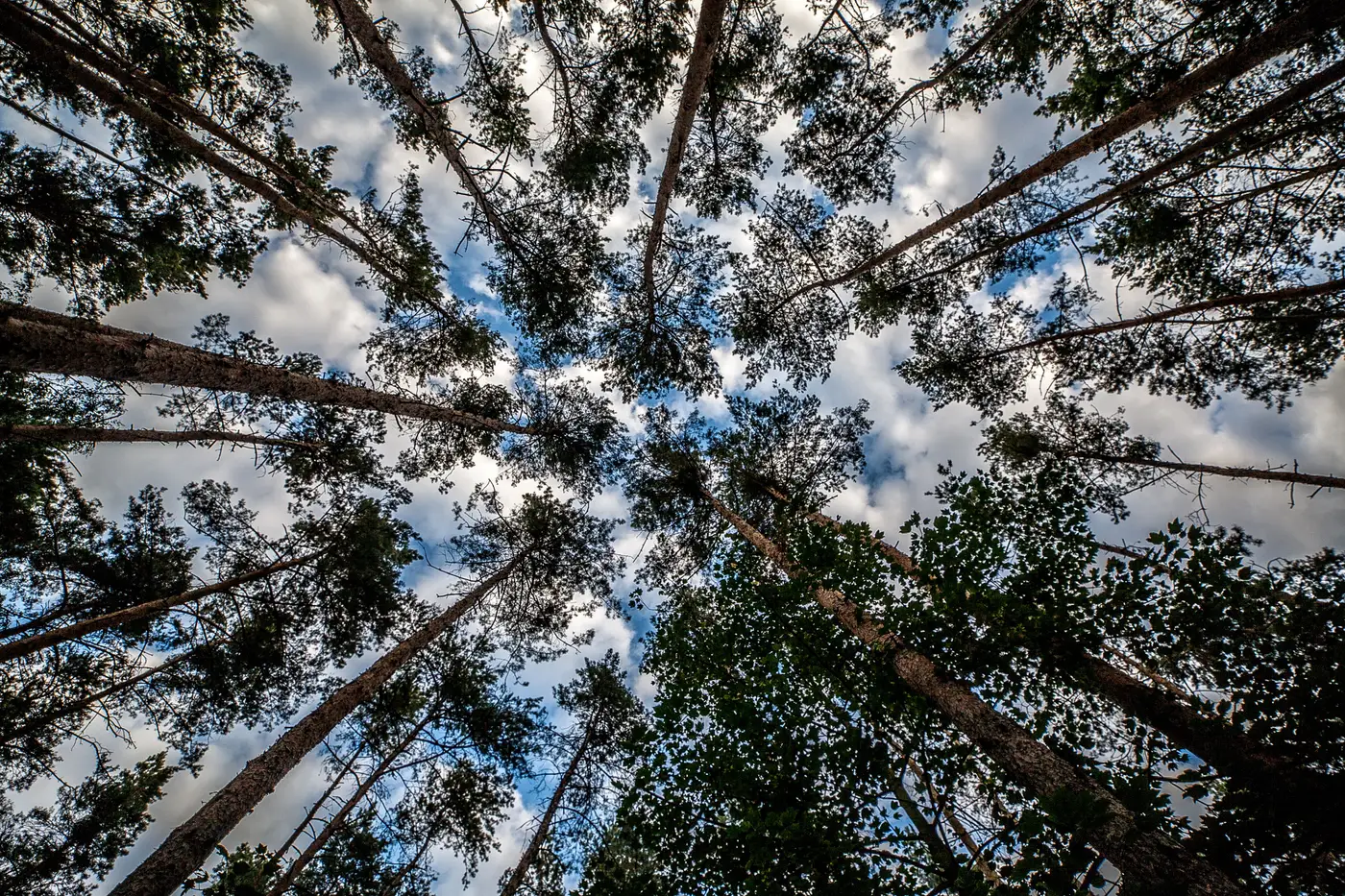
A pine stand headed for pulpwood and a pine stand headed for sawlog can look nearly identical at year eight. Same site index, same spacing, same crown closure on the aerial. But the thinning schedule for each one is running on a different clock, because the product grade you're growing toward changes what "ready" actually means.
Why the trigger point depends on the product target
For pulpwood rotations, the economics favor volume over diameter. You can run tighter stocking longer because the mill doesn't care if a stem comes in at 14 cm or 22 cm DBH, it's going to the chipper either way. First thin on a pulpwood schedule often gets pushed later, or skipped entirely if the rotation is short enough that one clearfell captures the value.
Sawlog rotations run the opposite logic. A stand destined for structural timber needs room to put on diameter growth on the final crop trees, so the schedule calls for an earlier, harder first thin that knocks back stem count before competition stalls DBH growth. Wait too long on a sawlog stand and you've locked in a cohort that will never size up into saw grade, no matter how many more growing seasons you give it. A late first thin on a sawlog block costs the grade, not just a season.
Same growth curve, two different product targets, two different answers. A compartment sitting at 0.85 of its trajectory might be exactly on schedule for pulpwood and already a season behind for sawlog.
Growth trajectory by product, read on the ground
This is where a lot of thinning plans built off age class alone go wrong. They assume every stand in the rotation class is tracking the same curve. In practice, soil, aspect, and planting-year variation mean some compartments pull ahead and some lag, and the gap widens with every season you don't check.
If you're running a mixed estate, pulpwood blocks and sawlog blocks side by side, the annual round of driving the block and eyeballing crown closure gets harder to trust, because the threshold you're checking against changes depending on which stand you're standing in. A crew that calls crown closure "ready" on a pulpwood compartment might be calling it a season early on the sawlog compartment next door.
Plantation Monitor reads an annual index per stand against its own growth trajectory, so a compartment tracking ahead of its curve shows up ready regardless of which product it's growing toward, and one lagging behind shows up as needing another season. The index doesn't care what grade the stand is headed for. The schedule you're checking it against does, and that part a manager still sets.
What changes in the thinning schedule
A pulpwood estate and a sawlog estate shouldn't run off the same spreadsheet with different dates filled in. They need different trigger points for the same growth signal. A stand that would get flagged for thinning at 85 percent of trajectory on a pulpwood rotation might need to flag at 70 percent on a sawlog rotation, because the downside of waiting is steeper and the window to correct it is shorter.
Re-check compartments near a product decision first, ahead of the ones that are simply due for thinning on the calendar. If a block went in as a sawlog stand but market conditions have you reconsidering pulpwood, a growth trajectory comparison tells you fast whether the stand still has the diameter headroom to make that call worth it, or whether it's already past the point where sawlog was ever realistic.
None of this replaces a forester's judgment on the ground. It just means the call gets made against a current read on where each compartment sits on its own curve, instead of a guess based on which block got driven last.
If you're scheduling thinning across stands growing toward different product grades, it's worth seeing what the per-stand numbers look like before the next round.