What is site index, and why it sets a stand's growth trajectory
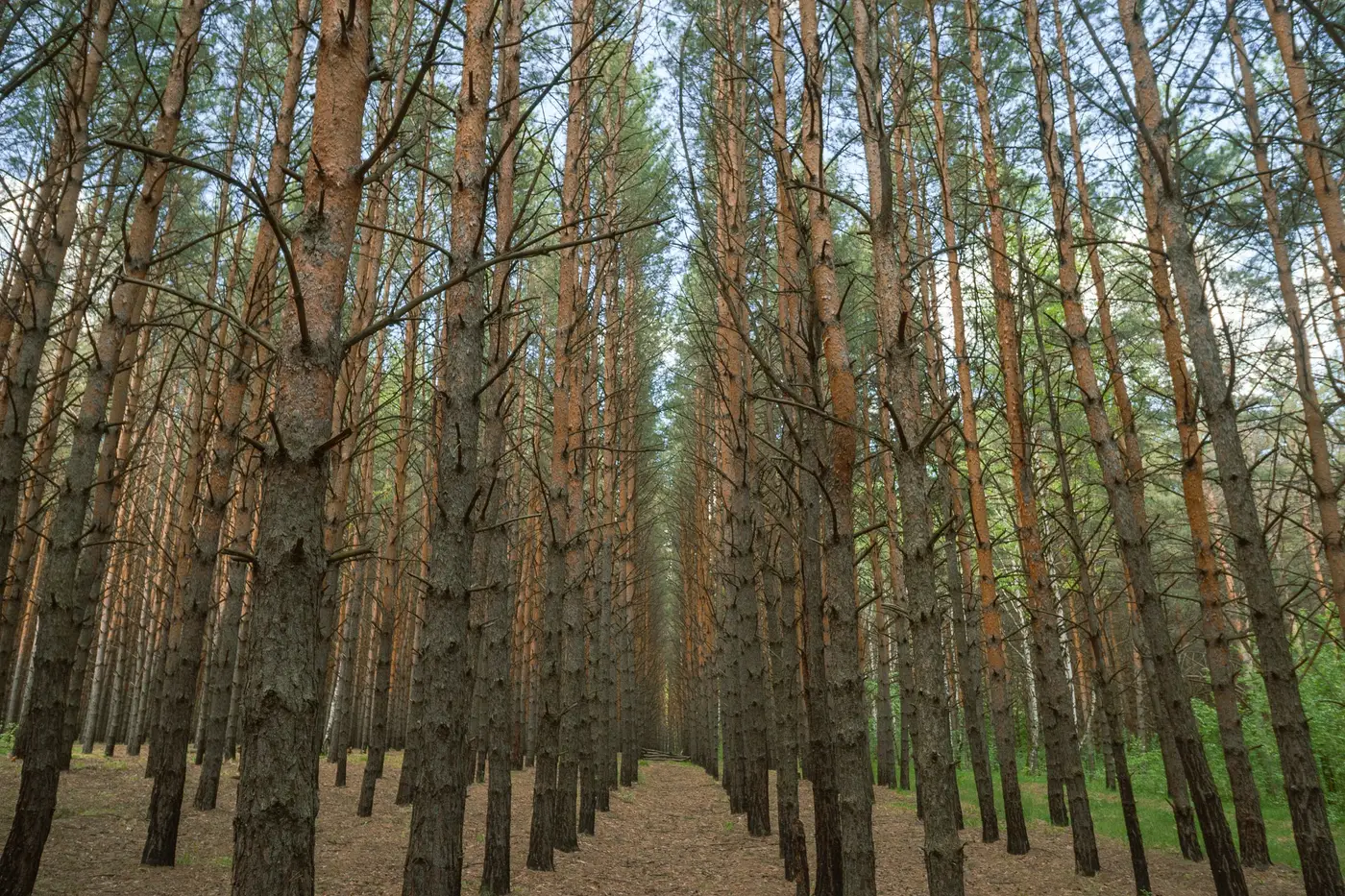
Site index is the number foresters use to answer one question before anything else gets scheduled: how good is this ground at growing trees. It's measured as the height a dominant or codominant tree reaches at a reference age, usually 25 or 50 years depending on species and region. Two stands planted the same year, same spacing, same seed source, can carry very different site index numbers if one sits on a deep loam flat and the other on a thin ridge with poor drainage. That number doesn't just describe the stand today. It predicts the shape of everything after it: when the canopy closes, when the stand hits merchantable diameter, when it's ready to thin, when clearfell pays off.
Where the site index curve comes from
Foresters don't clock height once and call it done. A site index curve plots expected height over age for a given index class, built from measured plots across a region over the standard rotation. Plot a stand's actual height-age trajectory against the curve for its assigned class, and you can see at a glance whether that compartment is tracking ahead, tracking behind, or sitting right on the line. A stand running two or three years ahead of its curve is ready for a thinning decision sooner than the compartment next to it, planted the same week. A stand lagging behind needs another season before it carries the basal area to justify pulling a harvester in.
That's the part that trips people up on the ground. Two adjacent compartments planted in the same rotation year, same genetics, same silviculture, can diverge hard by year eight or ten because one has a seep running through it and the other doesn't. Walking the block and eyeballing crown closure tells you roughly where a stand sits, but not how fast it got there or where it's headed next season. Site index does both, because it's anchored to age as well as height.
Site quality and rotation age
Lower site index means a longer rotation to hit the same target diameter. That's the baseline assumption behind most rotation plans, but site index is what turns it into a schedule instead of a guess. A high-site-index stand bred for a 25-year clearfell might hit first-thin basal area by year nine. A low-site-index stand on the same genetics and block layout might not get there until year twelve or thirteen. Schedule both off the calendar date instead of the growth trajectory, and you either thin the slow stand too early and lose volume to a crew cutting trees that haven't earned their keep, or you leave the fast stand standing too long and start losing increment to competition it should have shed a season back.
Most thinning and rotation plans still run on the compartment register and a drive-through. Someone walks or drives the block, eyeballs crown closure, and makes a call that's really a guess dressed up as an inspection. It works well enough across a handful of stands. It stops working once you're carrying fifteen or twenty compartments across different soils, aspects, and planting years, because no one can hold that many trajectories in their head at once, and the ground truth shifts every growing season.
An annual index tracked per stand and plotted against its own curve does what the drive-through can't. It flags the compartments that have pulled ahead of schedule and the ones falling behind, every year, without anyone walking a transect to confirm it. Plantation Monitor builds that view from annual satellite passes, stand by stand, so the thinning list gets built off actual trajectory instead of the calendar.
Rotation planning built on growth trajectory catches the stands ready to thin now and the ones that need another year, long before the crew shows up at the gate. If that sounds closer to how your compartments should be scheduled, it's worth a look.