What is a merchantability call, and how does it differ from a thinning prescription?
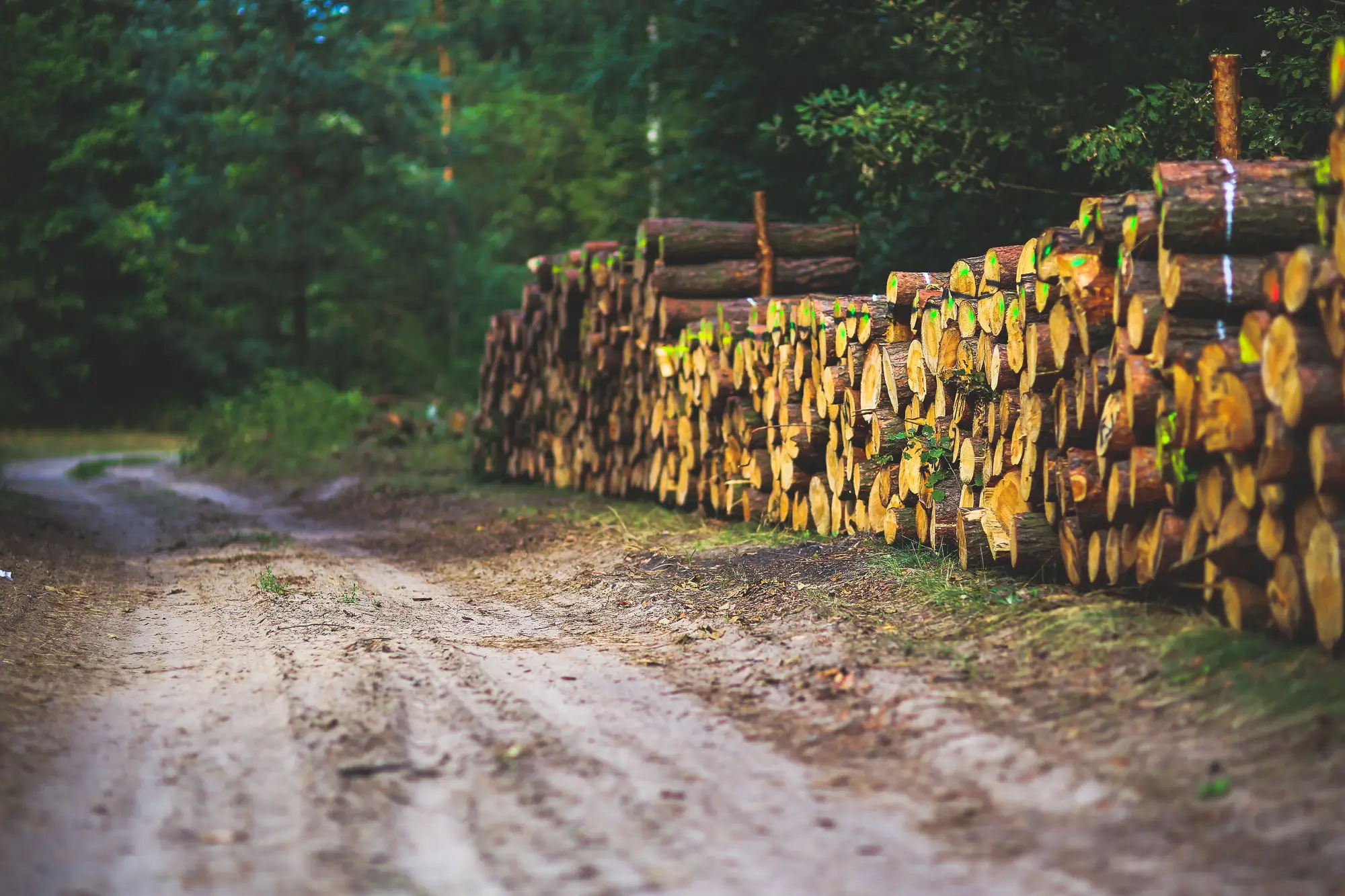
A crew foreman walks compartment 14 in October and says it's "ready." A forester pulled the growth model in March and the thinning schedule already said compartment 14 was due. Both of them are right, sort of, and both of them are talking about different things. One is a merchantability call. The other is a thinning prescription. Confusing the two is how a stand gets thinned a year late, or marked for sawlog when it's only going to grade out as pulp.
The thinning prescription is written ahead of the saw
A thinning prescription is the plan, not the event. It comes out of the rotation schedule: site index, planting density, species, and the growth-and-yield model for that genetics-and-site combination. The prescription says, roughly, "at age X, remove this much basal area, leave this residual stocking, aim for this final spacing before clearfell." It's written in the office, usually years before a crew sets foot in the compartment, and it assumes the stand is tracking the curve it was planted on.
The problem is that assumption. Two compartments planted the same year, same species, same spacing, do not grow the same. A block on a drainage line outgrows its neighbor on a ridge shoulder by two full seasons. The prescription on paper says both are due this winter. The ground doesn't agree.
The merchantability call is made at the stand, against current volume
A merchantability call answers a narrower, more immediate question: does what's standing in this compartment right now have sellable volume at a grade a mill will pay for? It's a stem-size, taper, and defect question, answered by cruising the stand, calipering a sample of DBH, and checking against the mill's minimum small-end diameter.
This is where the pulpwood vs sawlog call sits. A compartment can be fully merchantable as pulpwood, every stem has volume a chip mill will take, and still be nowhere near a sawlog call, where you need enough stems above a bigger small-end diameter with acceptable taper to justify cutting for lumber instead of fiber. A thinning prescription doesn't make that distinction on its own. It tells you to remove volume. It doesn't tell you what that volume is worth once it's on the truck.
A stand can sit squarely on its scheduled thinning date and still fail a sawlog merchantability call. The stems are there, they just haven't reached the small-end diameter that sawlog grade needs. That same stand can be fully merchantable as pulpwood right now, since pulp buyers take a smaller stem than sawmills do.
A stand can also do the opposite: hit mill-ready diameter across the board and sit a season past when the prescription called for cutting, because nobody re-walked it. Both situations cost money. The first gets you a pulp price on wood that would have been sawlog value with one more growing season. The second costs growth to crowding, suppressed stems, and lost increment on the leave trees.
Where the two should meet
The prescription sets the plan. The merchantability call tests whether the plan matches what's standing in the compartment. In practice, that test happens by walking the block, and walking every compartment every season to catch the ones running ahead or behind the curve isn't something most crews have time for across a full estate. That's the gap between the schedule on paper and the call made at the stump.
An annual read of stand growth against its own trajectory, compartment by compartment, closes that gap without putting a crew in every block every year. Plantation Monitor builds that read from yearly satellite passes and plots it against each stand's expected curve, so the compartments running ahead of schedule and the ones lagging show up before the next cruise, not after.
A thinning prescription tells you when a compartment should come out. A merchantability call tells you what it's actually worth the day you cut it. Getting both right, and not treating them as the same decision, is what keeps a sawlog stand from getting sold at pulp price.
If you're scheduling thinning and clearfell across more than a handful of compartments, it's worth seeing which ones are tracking ahead of plan before the crew drives the block.